Cheque Bounce in India: Section 138, Legal Notice, Penalties & Remedies
A cheque is a common payment method used in personal and business transactions. However, when a bank returns a cheque unpaid, it can lead to financial disputes and legal complications. In India, certain cases of cheque dishonour are governed by Section 138 of the Negotiable Instruments Act, 1881.
Whether you have received a dishonoured cheque or are facing a cheque bounce complaint, understanding the legal notice requirements, statutory deadlines, and court procedures can help you make informed decisions.
Understanding Cheque Bounce in India
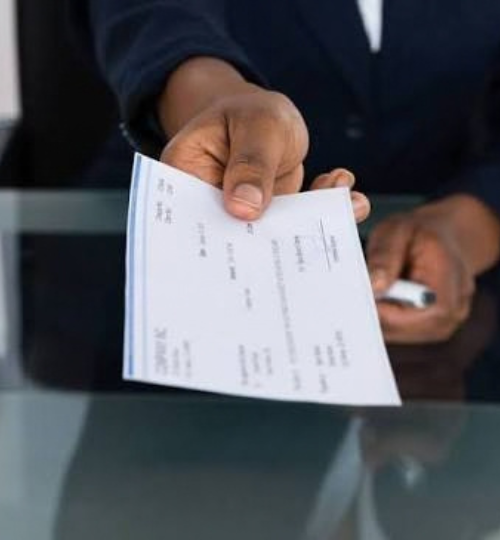
A cheque bounce, also known as cheque dishonour, occurs when a bank refuses to process a cheque for payment. This may happen because of insufficient funds, a closed account, a stop-payment instruction, or other banking-related reasons.
When the circumstances satisfy the requirements of Section 138, the person who received the cheque may be able to initiate legal proceedings.
Cheque bounce disputes commonly arise in business transactions, loan repayments, outstanding invoices, and other financial dealings involving a legally enforceable debt or liability.
Section 138 of the Negotiable Instruments Act, 1881
Section 138 provides for criminal liability in certain cases where a cheque issued towards the discharge of a legally enforceable debt or liability is dishonoured.
Generally, the following legal requirements must be satisfied:
- The cheque must relate to a legally enforceable debt or liability.
- It must be presented within its validity period.
- The bank must return the cheque unpaid in circumstances covered by the provision.
- The payee or holder in due course must send a written demand notice within the prescribed period.
- The drawer must fail to pay the demanded cheque amount within 15 days of receiving the notice.
The applicability of this provision depends on the facts of the transaction and the relevant legal requirements.
Why Do Cheques Bounce?
Banks may return cheques unpaid for several reasons. Some common examples are listed below.
1. Insufficient Funds: The account does not contain sufficient funds to cover the cheque amount.
2. Account Closed: The account on which the cheque was drawn has been closed.
3. Stop-Payment Instruction: The drawer has instructed the bank not to process the payment. The legal consequences depend on the circumstances.
4. Signature Mismatch: The signature on the cheque does not match the bank’s records.
5. Other Banking Reasons: Technical irregularities or other reasons stated in the bank’s return memo may also lead to dishonour.
A dishonoured cheque does not automatically establish criminal liability in every situation. The reason for dishonour and the statutory requirements must be examined.
Legal Notice for Cheque Bounce
Sending a legal demand notice is an important step in proceedings under Section 138.
After receiving information from the bank about the cheque’s dishonour, the payee or holder in due course generally has 30 days to send a written demand notice to the drawer.
The notice should clearly mention:
- Details of the cheque and the amount involved.
- The date and circumstances of dishonour.
- The outstanding amount being demanded.
- A clear demand for payment of the cheque amount.
The drawer is generally given 15 days from receipt of the notice to make the payment. If payment is not made within this period, a cause of action may arise, subject to the applicable legal requirements.
Preparing and serving the notice within the prescribed time limits is important for maintaining a cheque bounce complaint.
Step-by-Step Procedure for Filing a Cheque Bounce Case
The process generally involves the following stages.
Step 1: Present the Cheque
The payee presents the cheque to the bank within its validity period.
Step 2: Obtain the Bank Return Memo
If the cheque is dishonoured, the bank issues a return memo stating the reason.
Step 3: Send the Legal Notice
A written demand notice is sent to the drawer within the prescribed 30-day period after receiving information about the dishonour.
Step 4: Allow the Payment Period
The drawer gets 15 days from receipt of the notice to pay the cheque amount.
Step 5: File the Complaint
If the payment is not made within the statutory period, the payee may file a complaint before the competent court, generally within one month from the date the cause of action arises, subject to applicable rules and condonation provisions.
Step 6: Attend Court Proceedings
The court examines the complaint and relevant evidence before proceeding in accordance with the law.
The exact procedure may vary depending on the circumstances and the stage of the case.
Punishment for Cheque Bounce Under Section 138
Where the legal requirements of Section 138 are satisfied and the accused is found guilty, the law provides for the following penalties:
| Penalty | Maximum punishment |
|---|---|
| Imprisonment | Up to two years |
| Fine | Up to twice the cheque amount |
| Both | Imprisonment and fine, as permitted by law |
The actual outcome depends on the evidence, circumstances, and decision of the competent court.
Documents Required for a Cheque Bounce Case
Keeping relevant documents organised can help when preparing or defending a cheque bounce case.
Important documents may include:
- Original cheque or relevant cheque records.
- Bank return memo showing the reason for dishonour.
- Copy of the legal demand notice.
- Proof of dispatch and delivery of the notice.
- Agreements, invoices, receipts, or loan records establishing the transaction.
- Payment records and relevant correspondence.
- Other supporting documents related to the dispute.
The documents required will depend on the facts of the case and the nature of the underlying transaction.
Legal Remedies Available in Cheque Bounce Cases
The appropriate legal remedy depends on whether a person received the dishonoured cheque or issued it.
For the Payee
The payee may initiate proceedings under Section 138 if the statutory requirements are fulfilled. Other remedies may also be available depending on the nature of the underlying transaction and applicable law.
For the Drawer
The person who issued the cheque may contest the complaint by presenting relevant documents, evidence, and legally available grounds before the court.
Settlement Between the Parties
In suitable cases, the parties may explore a settlement to resolve the dispute. Any settlement should be properly documented and handled in accordance with the applicable legal procedure.
Each case requires an assessment of the transaction, evidence, statutory deadlines, and available remedies.
How Legal Assistance Can Help in Cheque Bounce Matters
Cheque bounce cases involve statutory time limits, documentary evidence, legal notices, and court proceedings. Missing a prescribed deadline or failing to maintain relevant records may affect the case.
Legal assistance can help with:
- Reviewing the cheque and bank return memo.
- Preparing and issuing a legal demand notice.
- Understanding statutory deadlines and filing requirements.
- Organising supporting documents and evidence.
- Preparing or responding to a cheque bounce complaint.
- Exploring settlement options where appropriate.
The right legal approach depends on the facts of the transaction, the reason for dishonour, and the stage of the proceedings.
Conclusion
Cheque bounce disputes can create financial difficulties for individuals and businesses. Section 138 of the Negotiable Instruments Act, 1881, provides a legal remedy in certain cases involving dishonoured cheques issued towards legally enforceable debts or liabilities.
Understanding the notice requirements, payment period, filing deadlines, and possible penalties is important when dealing with such disputes. Timely action and proper documentation can help individuals understand and pursue the legal remedies available to them.
Disclaimer: This article is for general informational purposes only and does not constitute legal advice. The outcome and applicable procedure may vary depending on the facts of each case. Consult a qualified legal professional for advice specific to your circumstances.